
A balcony can support a small pollinator planting when the plants suit the local region and the containers fit the space. Begin with local native-plant guidance, then map sun, shade, wind, water, and clear access. Plan for several flowering periods rather than selecting plants by a single photograph or a generic pollinator label.
How can you choose plants for your local region?
Start with native-plant recommendations for your ecoregion, not a universal list copied from another climate. The U.S. Environmental Protection Agency advises using a diverse mix of native plants suited to local conditions. Its pollinator guidance also recommends arranging plants in patches and including flowers across seasons. Check a local extension service or regional pollinator guide for species, bloom windows, and container suitability.
Observe the balcony's direct sun and shade, then compare those conditions with the selected plant labels. Record mature size, water needs, and whether the plant is appropriate for pots. Group plants with compatible care while leaving enough room for doors, circulation, and access to drains.
Sources: U.S. Environmental Protection Agency: Plant for Pollinators; University of Minnesota Extension: Container Gardening for Small Spaces
How can you group containers and plan for the balcony?
Use a few visible groups rather than scattering single pots through the walking route. Keep the door, emergency exit, drain, and approved access clear. Check container dimensions, drainage, stability, and filled weight, and ask the property manager about balcony load limits before adding a dense planting or water feature.
Avoid attaching a trellis, planter, or insect habitat to a railing unless the building and maker permit that exact setup. A freestanding arrangement still needs stable placement and appropriate wind exposure. For renter-specific layout and planter checks, see the existing balcony privacy and planter guides.
How can you care for plants and habitat with local guidance?
Follow each plant's watering and maintenance instructions and check conditions regularly. EPA pollinator materials describe preserving nesting habitat and limiting pesticide use; local recommendations may vary, so identify the plant and any pest before choosing a treatment. Follow every pesticide label and local rule, and avoid treating a flowering container casually while pollinators are visiting.
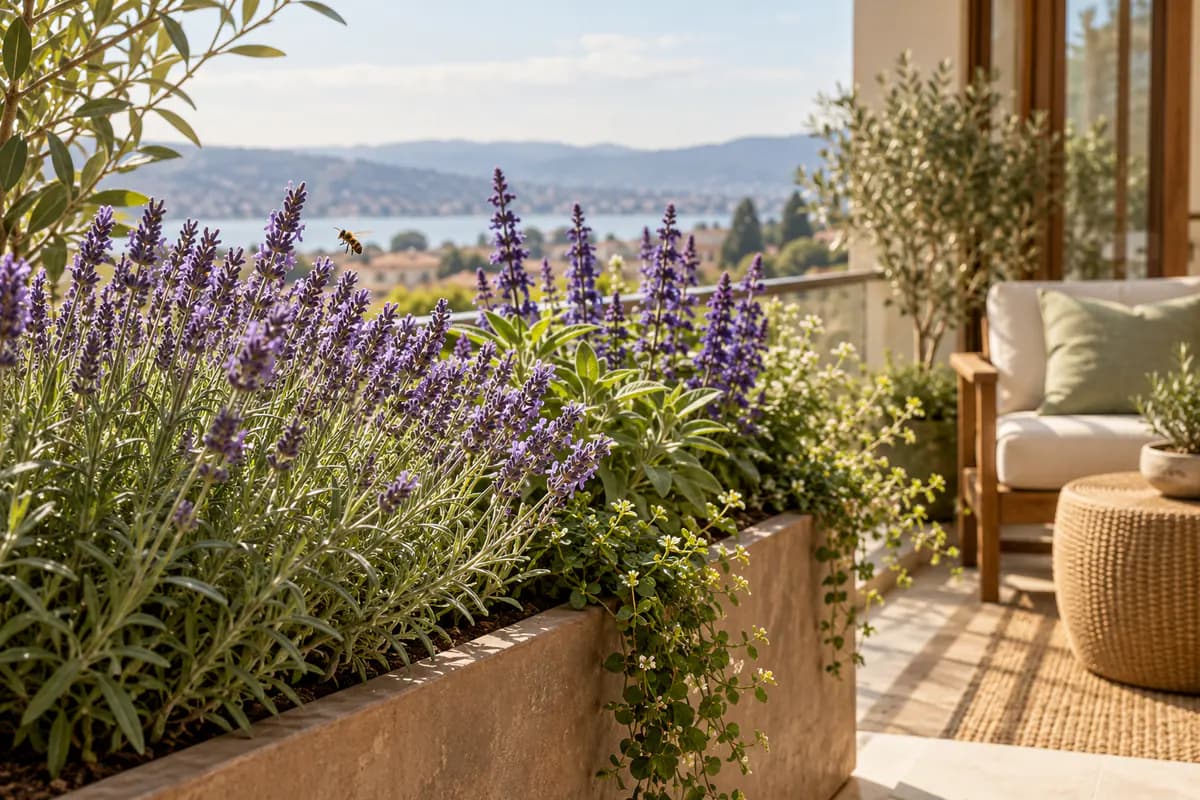
Seasonal cleanup advice also varies with climate and species. EPA guidance suggests leaving some stems and habitat undisturbed until pollinator activity resumes. Ask a regional extension service when to prune or remove stems in your area, and avoid making an enclosed balcony water feature without checking building and maintenance implications.
Sources: U.S. Environmental Protection Agency: Bee a Good Neighbor
How can you shop by verified details?
A broad marketplace coupon does not confirm that seeds are regionally appropriate, correctly identified, or suitable for pollinators. Verify the exact plant name and origin from a reputable nursery or regional source; verify container dimensions, drainage, material, and outdoor instructions from the seller. Do not treat an illustrative image as evidence of plant species or ecological value.
How can you select locally suitable plants and verify their identity?
Begin with native-plant and pollinator guidance for the region rather than a universal online list. Check the exact species and origin, bloom periods, mature size, container suitability, and light needs with a regional source or reputable nursery. A marketing label such as pollinator-friendly is not enough to establish that a plant is suitable for the local ecosystem.
Observe the balcony's sun, shade, heat, and wind, then compare those conditions with plant labels. Choose a diverse group that can fit the containers and care routine. Keep the plant names and source records so you can distinguish verified species from an uncertain listing or an illustrative photograph.
How can you group containers while protecting movement and stability?
Arrange flowering containers in visible groups where they can be reached for watering and care. Leave doors, drains, exits, and walking paths clear. Consider pot height and mature foliage when deciding whether the group belongs on the floor or a shelf. Keep supports and containers stable for the actual balcony exposure.
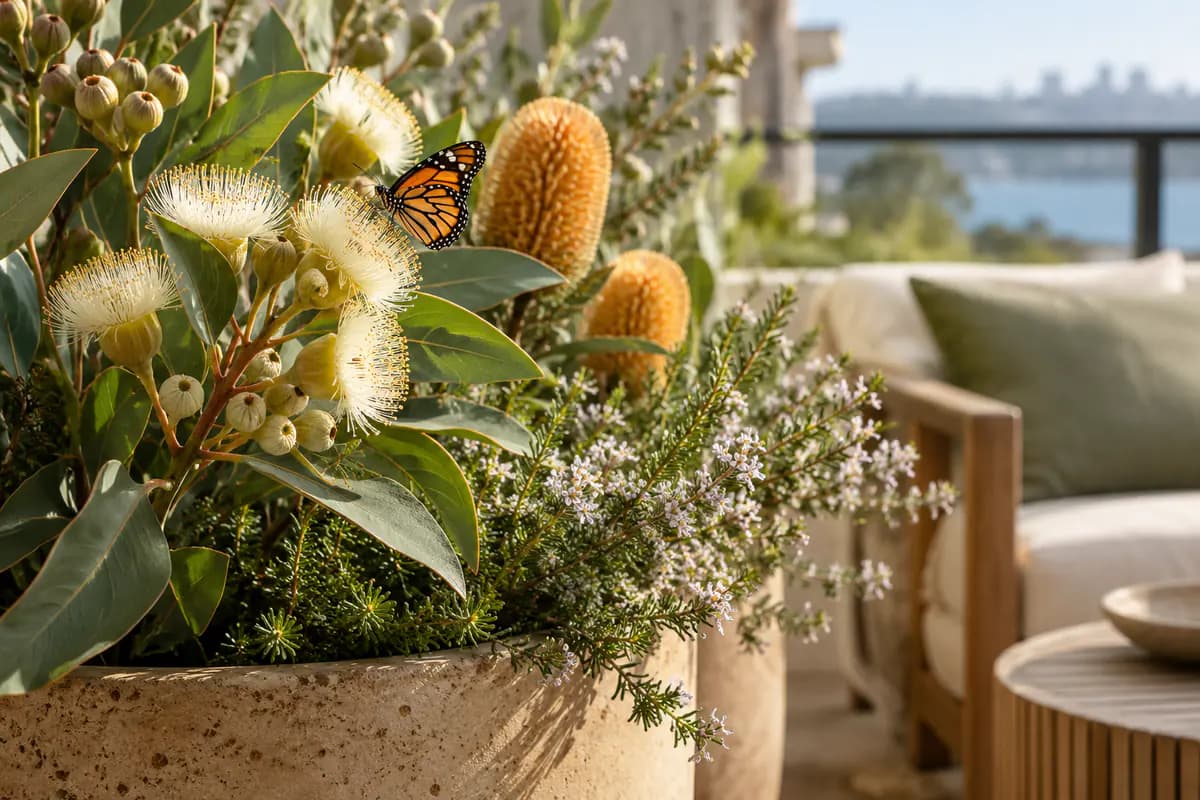
Ask the property manager about placement, attachments, and balcony load limits before adding a dense group or a railing planter. Do not attach habitat structures or containers unless the building and product instructions permit that exact method. Verify filled weight and use a qualified professional when structural capacity is uncertain.
How can you plan seasonal bloom and ongoing care?
Use regional guidance to select plants that flower across more than one period where the balcony's conditions allow. Group plants with compatible light and water requirements, and note the expected mature size so containers do not crowd one another. A seasonal plan should reflect local species recommendations rather than a generic color palette.
Follow plant labels for watering, pruning, and maintenance. EPA pollinator guidance cited in the article discusses habitat and pesticide considerations; local recommendations may differ. Identify the plant and problem before choosing a treatment, follow every pesticide label and local rule, and avoid casually spraying flowering plants while pollinators are present.
How can you check ecological claims and marketplace details?
Verify plant names, origin, and suitability with an authoritative regional source or nursery. Do not rely on a marketplace image to identify a species or establish that seeds are native. For containers and accessories, confirm dimensions, drainage, outdoor use, attachment, weight, and return terms for the exact listing.
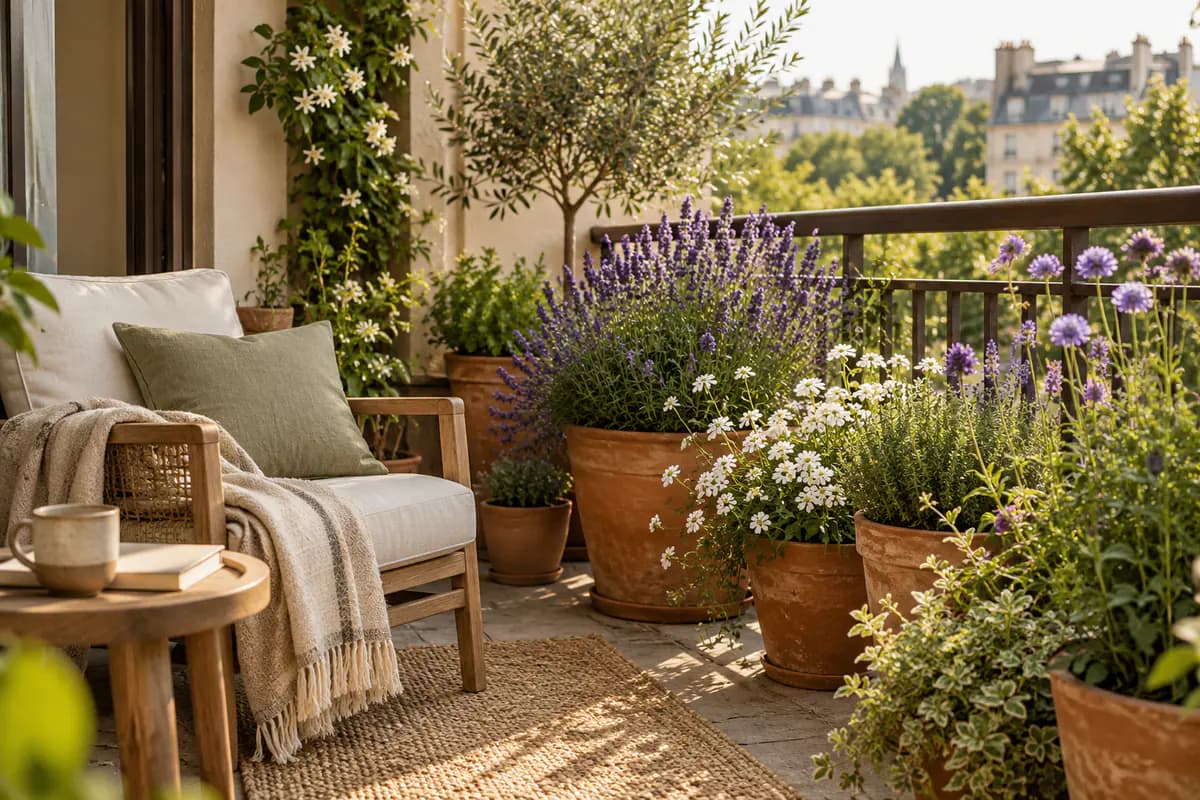
A broad coupon code is not evidence that a product supports pollinators or suits the balcony. Keep plant sourcing separate from general accessory shopping, and use the offer only after checking current eligibility. Preserve the labels and source information so the garden can be maintained responsibly as seasons and plantings change.
How can you track plant sources, seasonal observations, and care?
Keep a list of each plant's verified name, source, planting date, location, bloom period, and care notes. Record which plants flowered and when, and observe pollinator visits without disturbing nests or wildlife. Use regional guidance to interpret those observations rather than assuming every visitor or plant behavior is the same across climates.
Review the balcony arrangement as plants mature and seasons change. Remove or prune only as local guidance and plant instructions recommend, and follow pesticide labels and applicable rules. This record helps refine a small container garden responsibly and keeps ecological claims grounded in identified plants rather than marketing language.
How can you use local guidance to interpret wildlife observations?
Record observations without identifying every insect from a quick glance or assuming that a single visit proves ecological benefit. Use a regional extension service, native-plant group, or authoritative identification resource when species identification affects care. Avoid disturbing nests or handling wildlife, and follow local advice about seasonal cleanup and pesticide use. Keep the plant record updated when varieties are replaced.
Conclusion
A balcony pollinator garden should use species recommended for the local region and conditions, arranged so containers do not block access or exceed permitted placement. Follow plant and pesticide labels, local habitat guidance, and building rules. Verify plant identity and origin with a reliable source; a marketplace listing or illustrative photograph cannot establish ecological suitability.
Frequently Asked Questions
Which plants should I choose for a balcony pollinator garden?
Start with native-plant recommendations for your ecoregion, not a universal list copied from another climate. The U. S. Environmental Protection Agency advises using a diverse mix of native plants suited to local conditions. Its pollinator guidance also recommends arranging plants in patches and including flowers across seasons.
How should I arrange pollinator plants in containers?
Use a few visible groups rather than scattering single pots through the walking route. Keep the door, emergency exit, drain, and approved access clear. Check container dimensions, drainage, stability, and filled weight, and ask the property manager about balcony load limits before adding a dense planting or water feature.
How can I care for balcony plants while supporting pollinators?
Follow each plant's watering and maintenance instructions and check conditions regularly. EPA pollinator materials describe preserving nesting habitat and limiting pesticide use; local recommendations may vary, so identify the plant and any pest before choosing a treatment. Follow every pesticide label and local rule, and avoid treating a flowering container casually while pollinators are visiting.
Should I use native plants for pollinators?
Start with native-plant recommendations for your ecoregion, not a universal list copied from another climate. The U. S. Environmental Protection Agency advises using a diverse mix of native plants suited to local conditions. Its pollinator guidance also recommends arranging plants in patches and including flowers across seasons.
Can I use pesticides around balcony pollinator plants?
Follow each plant's watering and maintenance instructions and check conditions regularly. EPA pollinator materials describe preserving nesting habitat and limiting pesticide use; local recommendations may vary, so identify the plant and any pest before choosing a treatment. Follow every pesticide label and local rule, and avoid treating a flowering container casually while pollinators are visiting.
Shopping Options To Explore
Use these listings and partner stores as places to continue your research, not as product ratings or test results. Listings, product details, availability, and offer terms can change; verify the exact item with the seller.
Some links may earn a commission. General Temu and Shein storefront destinations are not verified affiliate links and may not generate one. Read our affiliate disclosure.
Temu
Use the broad storefront only to compare general containers or accessories after verifying exact specifications. Buy regionally suitable seeds or plants from a source that identifies the species and origin; the marketplace code is not a pollinator-product claim.
Publisher-supplied broad offer code; check its current availability and terms for your account and region
Partner codeALV837762
General store destination; tracking is not verified, and the code is not a product-specific offer.
Confirm current prices, eligibility, shipping, and return terms with the seller.
Sources and further reading
We link primary or institutional references near factual claims and list the sources used for this guide below. Design suggestions are editorial guidance, not universal rules.
Living Statement may earn a commission from some partner links. Any paid relationship will be disclosed close to the relevant offer. How our affiliate links work.