
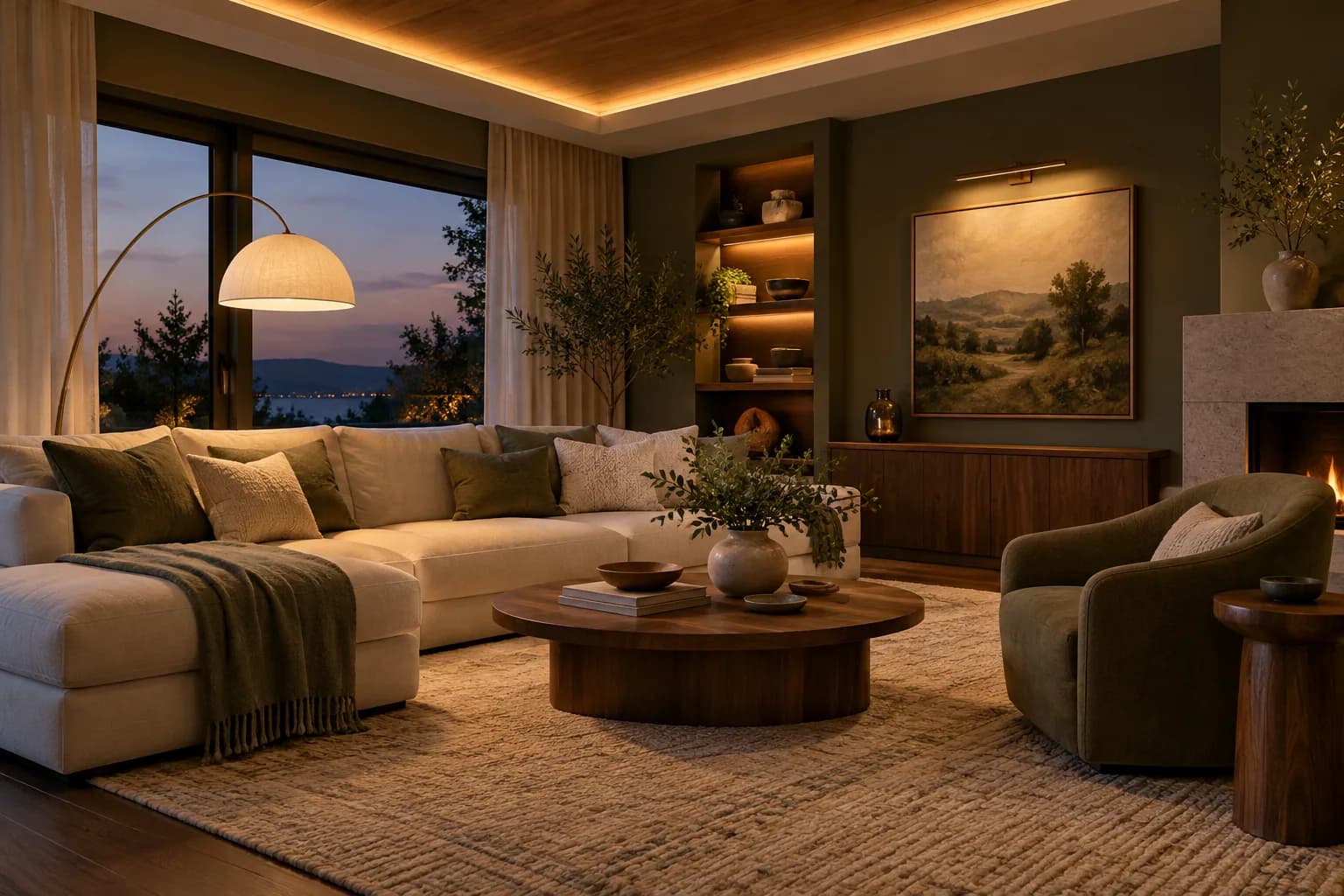
A comfortable lighting plan starts with what happens in the room. Combine broad ambient light with focused task light and, where it helps, accent light. Compare bulbs by light output and appearance, then verify that each bulb, fixture, and control is compatible before buying or installing.
What are the layers of home lighting?
Ambient lighting provides general illumination, task lighting supports a particular activity such as reading or food preparation, and accent lighting draws attention to a feature. A room may use one fixture for more than one layer, but multiple sources give you more control over glare, shadows, and mood.
Walk through the room's uses by time of day. A kitchen may need even general light plus brighter worktop light; a living room may need ambient light and separate reading light. Note the position of windows, screens, reflective surfaces, and the people using each zone before selecting fixture types.
Should you compare bulbs by watts or lumens?
Use lumens to compare brightness and watts to understand electrical power draw. The U.S. Department of Energy's consumer guide explains that lumens measure light output; for example, its guide points to about 1,100 lumens as a replacement for a traditional 75-watt incandescent bulb. Actual brightness needs depend on the task, fixture, room, and number of bulbs, so use the bulb and fixture specifications rather than assuming one wattage equals one brightness.
Check color appearance, bulb shape and base, fixture enclosure rating, and whether the light is dimmable. A dimmer, smart control, and LED bulb must be compatible as a combination; the product packaging or manufacturer documentation should say so.
Sources: U.S. Department of Energy: Consumer guide to energy-efficient lighting (PDF); U.S. Department of Energy: Purchasing Energy-Efficient Light Bulbs
How do you plan task lighting?
Put the light where it helps the activity while limiting direct glare. At a desk, that may mean a movable lamp positioned to avoid a hand shadow; at a bathroom mirror, it may mean light from more than one side rather than a single overhead source. Make a temporary placement with a work light if the existing room makes shadows hard to judge.
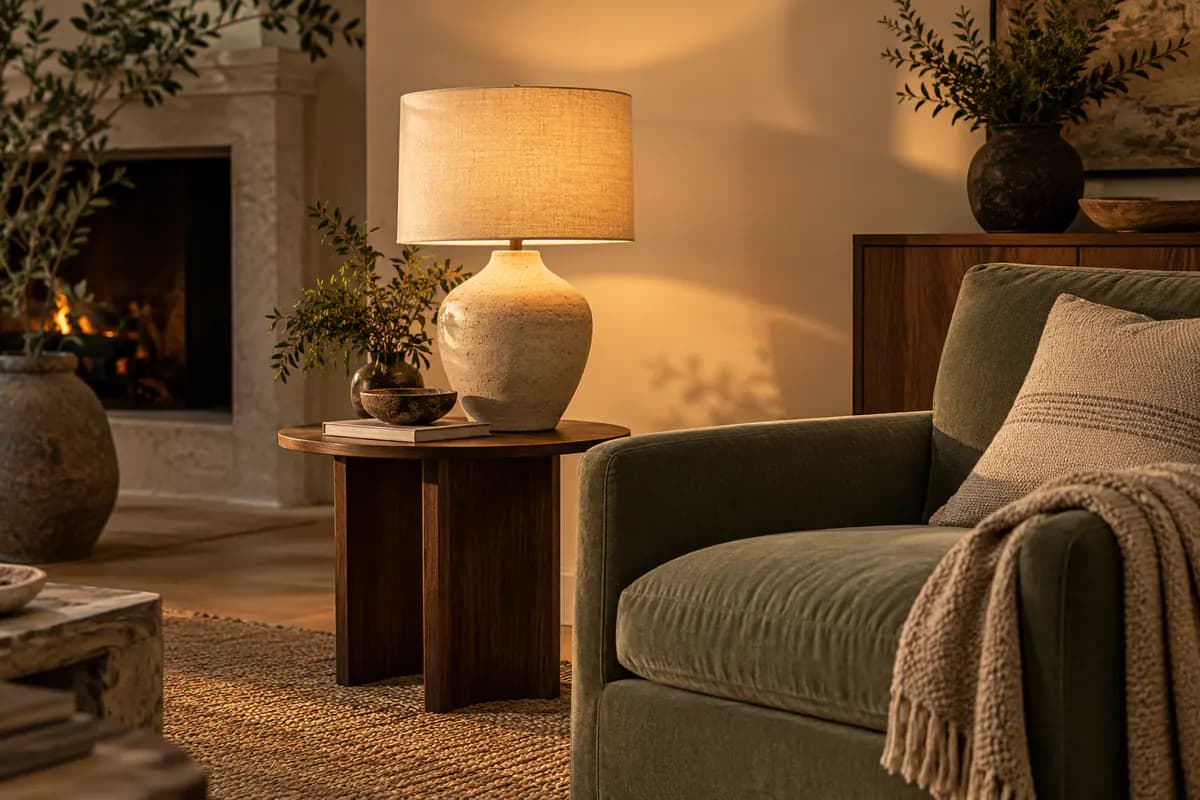
For kitchens and bathrooms, identify damp or wet locations and use fixtures rated for the location. Follow the fixture maker's instructions and local electrical rules. Hire a qualified electrician for new wiring, uncertain circuits, or changes involving wet locations.
How can you review a lighting plan before installation?
List each fixture, its role, light output, color appearance, control, and location. Verify the dimensions against the room and ceiling, plus the clearances around cabinets, doors, and mirrors. If you are changing the layout, mark fixture positions on the ceiling plan and confirm wiring access with a qualified installer before choosing decorative fittings.
After installation, assess the room at night and during daylight. Adjust aim and control levels before deciding that the source is too bright or too dim. A written schedule of bulb types and replacement details also makes later maintenance easier.
How can you inventory the room's activities and existing light?
List what happens in the room at different times: reading, cooking, conversation, cleaning, work, or moving through the space. Mark where each activity takes place and what light sources already serve it. Note windows, reflective surfaces, dark corners, and views where direct glare would be distracting. This map keeps fixture selection connected to use rather than to a style photograph.
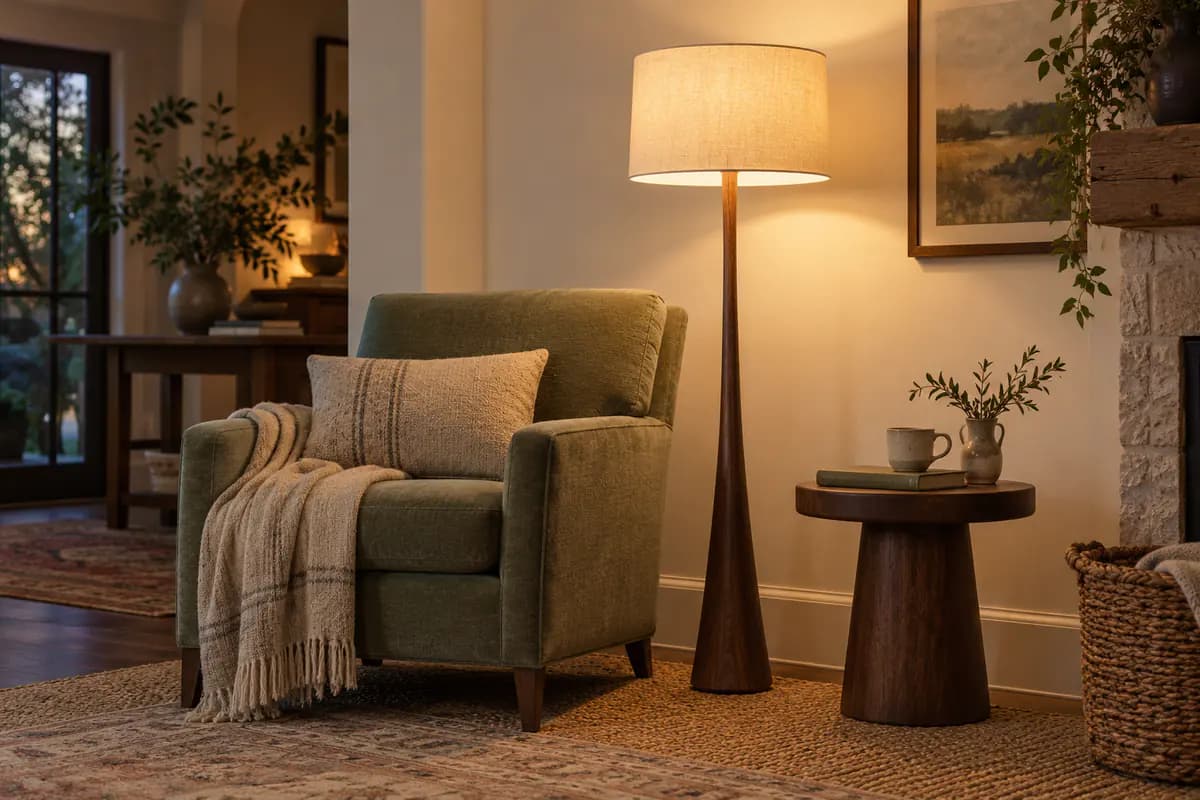
Observe the room in daylight and after dark. Record which tasks feel uncomfortable and whether the cause seems to be insufficient light, shadow, glare, or an inconvenient control. The observation does not replace a measured lighting assessment, but it helps form specific questions for a designer or electrician and prevents adding fixtures without knowing what problem they should solve.
How can you assign a role to each lighting layer?
General lighting supports movement and broad room use; task lighting is directed toward a particular activity; accent lighting draws attention to a surface or object. A single fixture may serve more than one role, but write down the intended role before choosing its brightness, location, and control. This makes it easier to see whether an existing lamp or ceiling fixture already covers part of the plan.
Sketch the approximate location and direction of each source, then check how the layers overlap. A desk task light may need to work with ambient light, while a decorative lamp may only provide a local glow. Avoid claiming a fixed lumen number from a generic chart; the task surface, distance, shade, room finish, and applicable standards affect what is appropriate.
How can you compare controls, bulbs, and fixture limits?
For each candidate, record the bulb base, maximum wattage or compatible LED specification, dimmer type, switch location, and whether the fixture is integrated or replaceable. Check the exact model manual. Do not infer dimmer compatibility because two bulbs look alike, and do not install a bulb that exceeds a fixture's stated limits. Keep the control and light-source details together when comparing options.
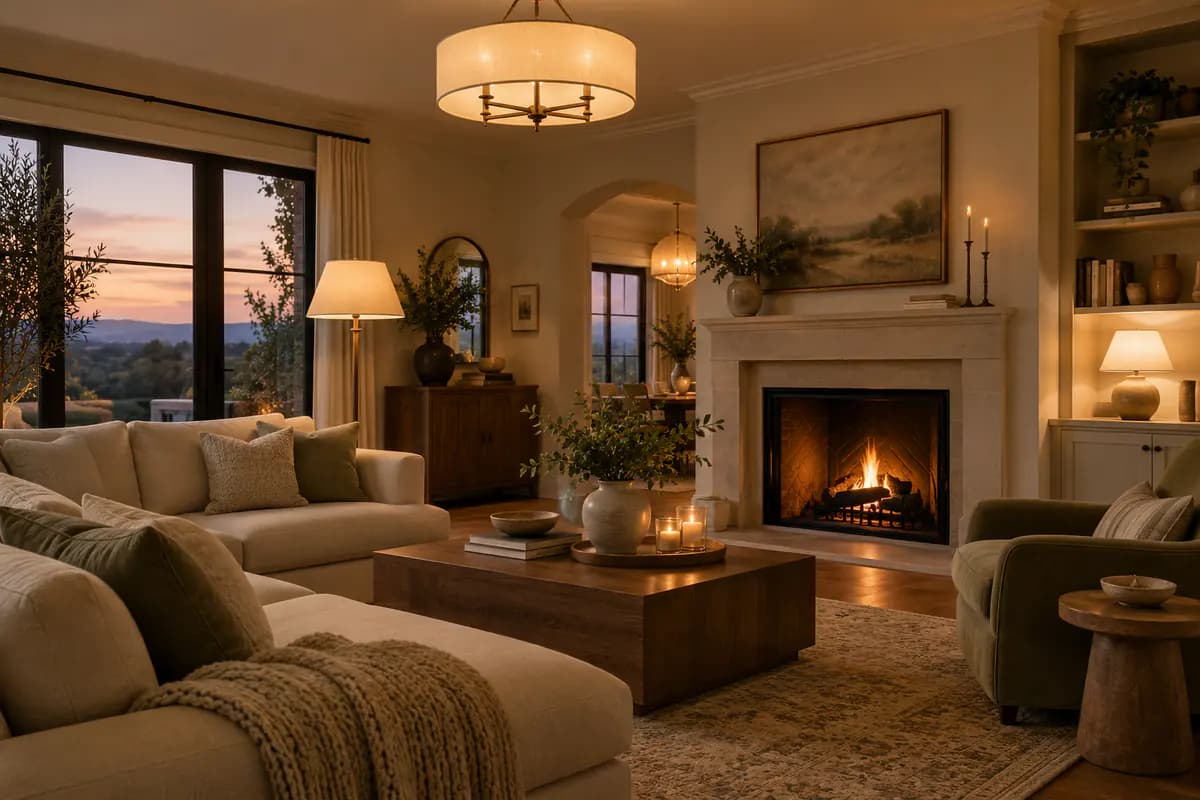
If the plan includes new wiring, moved outlets, wet locations, or an uncertain ceiling support, ask a qualified electrician to review it. Codes and permitted work vary by location. A room plan can describe the desired effect, but it cannot determine whether a circuit, box, mounting surface, or fixture installation is safe or compliant.
How can you review glare and daily operation before committing?
Mock up a lamp or use a temporary, safely positioned light source to see where the beam lands. Sit, stand, and move through the room as usual. Look for reflections on a screen, bare bulbs in the line of sight, and shadows cast by the user's own body. Make one adjustment at a time and note the result before selecting final fixtures.
Check whether household members can reach the controls and whether the plan still works when one layer is switched off. Keep maintenance access clear for changing a bulb or cleaning a shade. For tasks requiring a measured illuminance level, use the applicable current standards and a qualified professional. A staged photograph illustrates ambiance; it does not measure the room's light.
How can you turn observations into a room-by-room lighting brief?
For each room, write a short brief with the tasks, current sources, shadows or glare observed, preferred controls, and any maintenance constraints. Include the viewpoint from which a light will be seen and the surface it needs to serve. This gives a designer or electrician a useful description without pretending to specify a measured level or code requirement.
Keep the brief next to the fixture manuals and note which questions still need a professional answer. Revisit it after a temporary test or a change in furniture. A clear brief makes it easier to compare options and avoid buying a decorative fixture that does not address the actual problem.
Conclusion
Build a lighting plan from the room's tasks and movement, then combine general, task, and accent sources where they serve a clear purpose. Compare light output and color appearance separately, check glare and control compatibility in context, and leave wiring or code questions to a qualified professional. A styled room photo cannot verify measured illumination.
Frequently Asked Questions
What are the main layers of home lighting?
Ambient lighting provides general illumination, task lighting supports a particular activity such as reading or food preparation, and accent lighting draws attention to a feature. A room may use one fixture for more than one layer, but multiple sources give you more control over glare, shadows, and mood.
Should I compare bulbs by watts or lumens?
Use lumens to compare brightness and watts to understand electrical power draw. The U. S. Department of Energy's consumer guide explains that lumens measure light output; for example, its guide points to about 1,100 lumens as a replacement for a traditional 75-watt incandescent bulb.
How can I review a lighting plan before installation?
List each fixture, its role, light output, color appearance, control, and location. Verify the dimensions against the room and ceiling, plus the clearances around cabinets, doors, and mirrors. If you are changing the layout, mark fixture positions on the ceiling plan and confirm wiring access with a qualified installer before choosing decorative fittings.
What is the difference between lumens and watts?
Use lumens to compare brightness and watts to understand electrical power draw. The U. S. Department of Energy's consumer guide explains that lumens measure light output; for example, its guide points to about 1,100 lumens as a replacement for a traditional 75-watt incandescent bulb.
How do I check lighting controls for compatibility?
List each fixture, its role, light output, color appearance, control, and location. Verify the dimensions against the room and ceiling, plus the clearances around cabinets, doors, and mirrors. If you are changing the layout, mark fixture positions on the ceiling plan and confirm wiring access with a qualified installer before choosing decorative fittings.
Shopping Options To Explore
Use these listings and partner stores as places to continue your research, not as product ratings or test results. Listings, product details, availability, and offer terms can change; verify the exact item with the seller.
Some links may earn a commission. General Temu and Shein storefront destinations are not verified affiliate links and may not generate one. Read our affiliate disclosure.
Use the measurements and checks in this guide when comparing an exact item. Browse current partner offers and verify product details, eligibility, and terms with the seller.
Sources and further reading
We link primary or institutional references near factual claims and list the sources used for this guide below. Design suggestions are editorial guidance, not universal rules.
Living Statement may earn a commission from some partner links. Any paid relationship will be disclosed close to the relevant offer. How our affiliate links work.